Getting Started with Poultry Farming in Kenya
Poultry farming is one of the most profitable agricultural ventures in Kenya. Whether you want to raise layers for eggs or broilers for meat, this guide covers everything you need to know.
Step 1: Choose Your Poultry Type
Layers — For egg production. Start laying at 18-20 weeks. Popular breeds: Kuroiler, Kenbro, ISA Brown.Broilers — For meat production. Ready for market in 6-8 weeks. Popular breeds: Cobb 500, Ross 308.Kienyeji (Indigenous) — Hardy, free-range birds popular in local markets.Step 2: Set Up Your Housing
A good poultry house should have:
Proper ventilationProtection from predators and rainAdequate space (1 sq ft per broiler, 2 sq ft per layer)Easy-to-clean floorsStep 3: Essential Equipment
Every poultry farm needs:
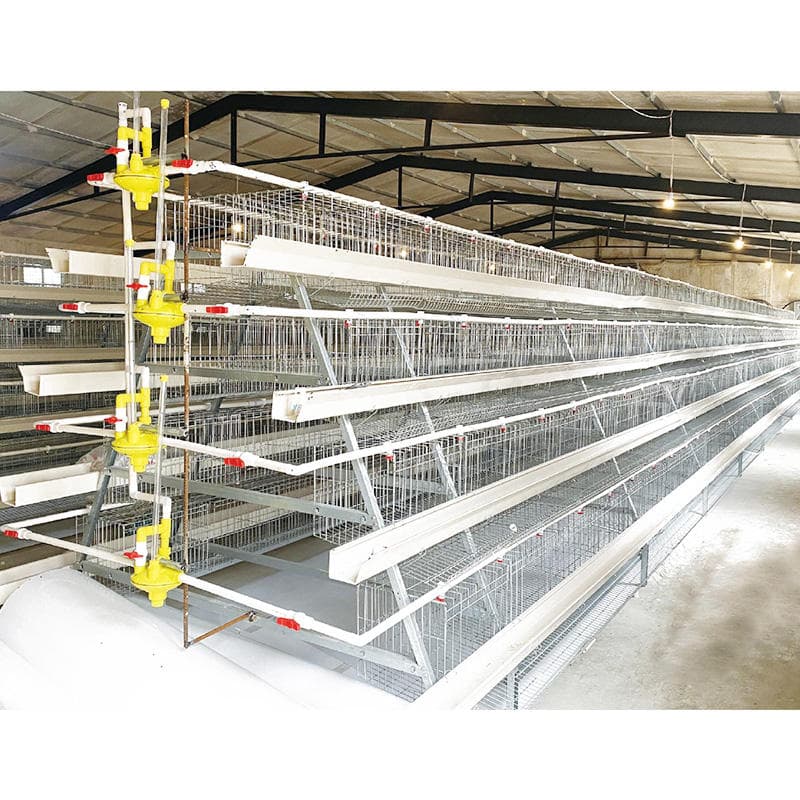
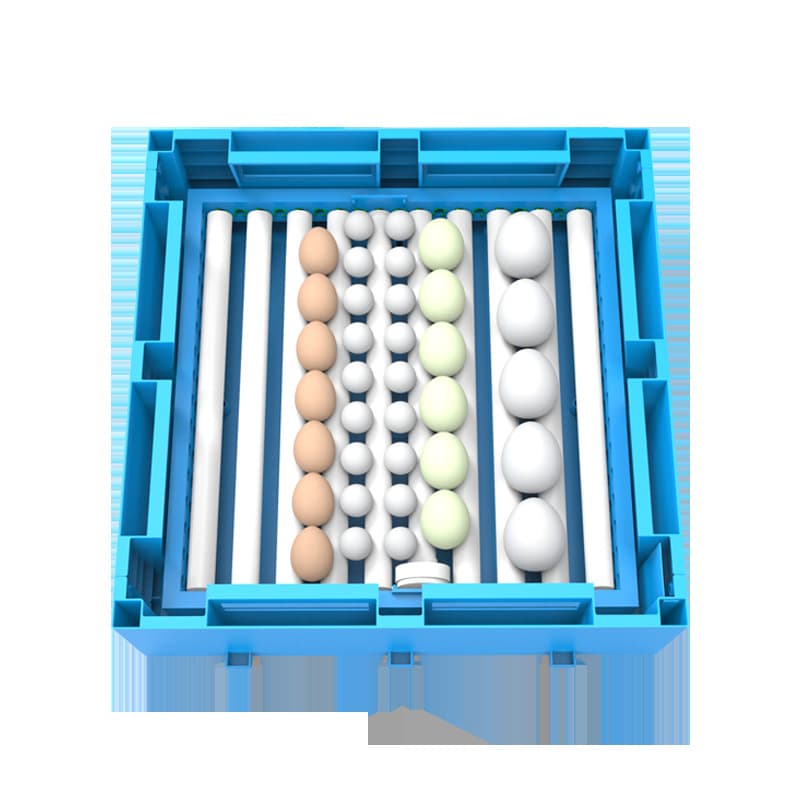
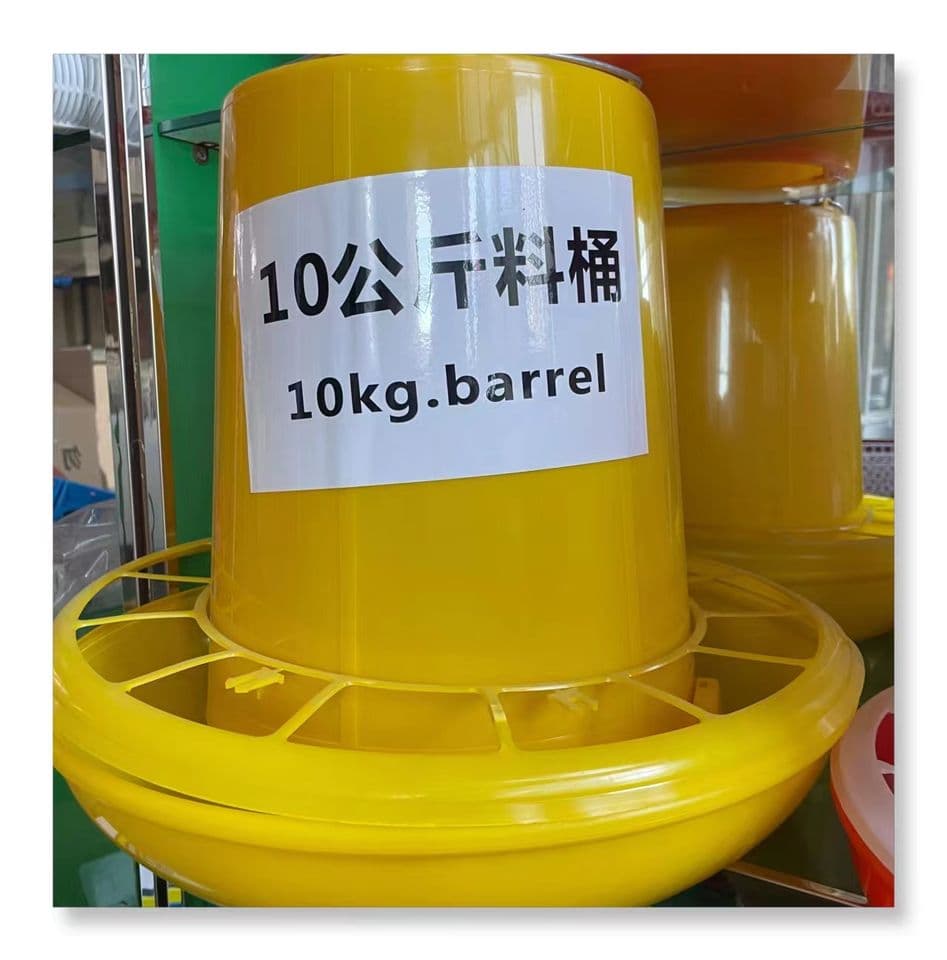
Feeders — Prevent feed wastage with proper feeders sized for your flockDrinkers — Nipple drinkers save water and keep it cleanCages — Layer cages maximize space and egg collection efficiencyIncubators — If you plan to hatch your own chicksStep 4: Feeding Program
Feed accounts for 60-70% of production costs. Use:
Chick mash (0-8 weeks)Growers mash (8-18 weeks)Layers mash (18+ weeks for layers)Broiler starter and finisher for meat birdsStep 5: Health Management
Vaccinate on schedule (Newcastle, Gumboro, Fowl Pox)Maintain biosecurityKeep records of mortality and productionExpected Returns
Layers: 250-300 eggs per bird per year. At KSh 15-20 per egg, one bird earns KSh 3,750-6,000 annually.Broilers: Sell at KSh 500-800 per bird after 6-8 weeks. Profit margin of 30-40%.Conclusion
Start small, learn the basics, and scale gradually. Invest in quality equipment from the start — it saves money in the long run through reduced mortality and better production.